Imagine waking in the middle of the night feeling unexpectedly hot.
You adjust the fan.
Turn the pillow over.
Check the time.
By morning, you have slept badly. At work, a familiar task takes more concentration than usual. At home, a small interruption feels harder to manage.
You tell yourself it is probably a busy week.
But then it happens again.
Someone mentions menopause, and you dismiss the idea.
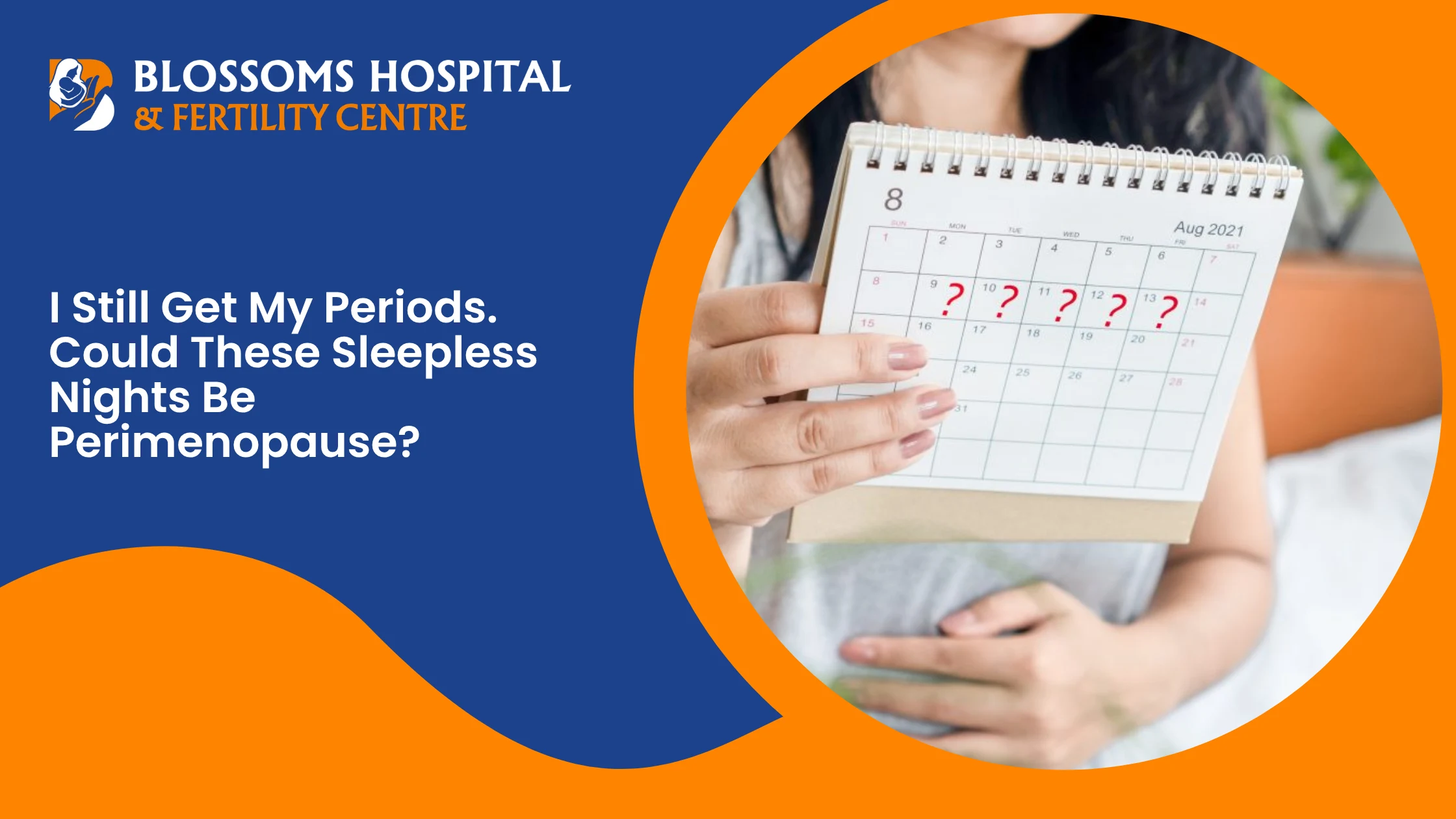
“I still get my periods. How could that apply to me?”
It is a reasonable question.
The menopausal transition can begin before periods stop.
That stage is called perimenopause. It may help explain some midlife changes—but it should not become an automatic explanation for everything you are experiencing.
Menopause Is Not Always a Sudden Switch
Natural menopause is generally recognised after twelve consecutive months without a period, when there is no other explanation.
Perimenopause refers to the transition around the final menstrual period. It can extend over several years.
Most women experience natural menopause between 45 and 55, although timing varies. WHO: Menopause.
This distinction matters because people often imagine that symptoms begin only after the last period.
In reality, you may still be menstruating while noticing changes.
That does not confirm perimenopause. It means “I still have periods” is not enough, on its own, to rule out the conversation.
You do not need to know exactly which stage you are in before asking for help.
Start with what has changed.
The First Clue May Not Be Your Calendar
Changes in period timing or flow can occur during perimenopause. Hot flushes, night sweats, sleep difficulties, mood changes and problems with concentration may also occur.
Symptoms vary, and not everyone experiences the same combination.
For one person, the most noticeable issue might be waking repeatedly.
For another, it might be struggling to concentrate during a meeting or feeling uncomfortable during intimacy.
You might not connect these observations at first.
Rather than collecting every possible symptom from an online list, ask yourself:
“What is different for me?”
“What is affecting my routine?”
“What would I most like to help with?”
Those answers are more useful than trying to match someone else’s experience exactly.
“Maybe I’m Just Stressed”
You may genuinely be under stress.
Work, family responsibilities and interrupted rest deserve attention in their own right.
But you do not have to choose between “stress” and “hormones” before making an appointment.
Describe the situation without deciding the cause:
“I’ve been waking several nights a week.”
“I’ve noticed episodes of sweating.”
“My periods have changed too.”
“I’m finding this harder to manage than before.”
That gives your clinician a starting point for assessment.
An appointment should not simply attach a label to your symptoms. It should help establish which explanations need consideration and what support may be useful.
You can ask:
“Could these changes be related, or should we assess them separately?”
The answer may be more nuanced than a quick yes or no.
Sleep Deserves Its Own Conversation
Sleep difficulty is easy to minimise because almost everyone has experienced a bad night.
But repeated disruption can make daily life harder.
Night sweats may disturb sleep, and poor sleep can worsen how tired, irritable or overwhelmed you feel.
Do not feel you must prove that your symptoms are dramatic enough.
Try explaining the practical effect:
“I’m getting through the day, but I’m struggling to focus.”
“I’m cancelling things because I feel exhausted.”
“I keep waking and cannot settle again.”
This tells the doctor more than “my sleep is not great.”
If you share a bedroom, observations from your partner may be helpful, but your own experience remains important.
The goal is not to achieve a perfect sleep score. It is to understand the disruption and consider appropriate help.
Prepare a Short Record, Not a Full-Time Tracking Project
Before your appointment, make a brief note of the changes you want to discuss.
You might record:
- Approximate period dates and changes in flow
- Nights when sleep was interrupted
- Episodes of unexpected heat or sweating
- Other concerns you want to raise
- Current medicines and contraception
- How the changes affect work or home life
Keep it simple.
A few entries can help you remember what happened. You do not need weeks of detailed tracking before arranging a consultation.
If you forget dates, say so. If the pattern is unclear, describe that too.
You are not being examined on how accurately you have recorded your body.
The notes are there to support the conversation—not postpone it.
What Should an Appointment Help You Understand?
Your questions may be broader than “Is this perimenopause?”
A useful consultation can help you discuss:
“What are the possible explanations?”
“Does anything need further assessment?”
“What can we do about the symptom that is bothering me most?”
“How will we know whether the plan is helping?”
The clinician can decide whether investigations are appropriate in your circumstances. Do not assume that buying a broad hormone-testing package will answer every question.
Likewise, do not assume you need a specific prescription because it helped a friend.
Bring your priorities into the discussion.
For example:
“My biggest concern is sleep, not the changes in my cycle.”
Or:
“I want to understand my options before deciding about treatment.”
Both are useful starting points.
Treatment Is Not One Decision for Everyone
Hormonal and non-hormonal options are available for menopausal symptoms.
The appropriate discussion depends on your symptoms, medical history and preferences. Hormone replacement therapy, or HRT, is one option; it is not the only option or a universal recommendation.
You can ask the doctor to explain:
- What the proposed option is intended to improve
- Why it may suit your situation
- Relevant benefits and risks
- Alternatives
- When progress should be reviewed
If you prefer not to use hormones, say so. If you are open to them but have concerns, say that too.
The aim is an informed decision, not pressure to choose a particular approach.
Do not start another person’s treatment or change prescribed medicines based on a social-media discussion.
Small Comfort Measures Can Help Without Becoming Rules
Some people find a cooler bedroom, lightweight clothing and a consistent sleep routine helpful.
Noticing whether caffeine, hot drinks or other triggers affect your symptoms may also be useful. Regular activity and relaxation practices can support wellbeing.
Treat these as options to explore—not another list you must follow perfectly.
If evening tea seems to worsen your sleep, you could discuss adjusting that habit. If it makes no noticeable difference, avoid assuming you have failed.
Likewise, do not respond to every symptom by restricting more foods or buying more supplements.
You can make practical changes while still seeking medical advice.
Self-care and clinical care are not competing choices.
What About Dryness or Discomfort During Intimacy?
Vaginal dryness and discomfort can occur during the menopausal transition. These concerns are worth discussing, even if they are not the reason you initially booked the appointment.
You do not need an elaborate explanation.
“I’ve noticed discomfort during intimacy. Could we talk about that?”
That is enough to begin.
If you feel uncomfortable raising it with someone else present, ask to speak privately.
There are symptom-specific options to discuss with a clinician. You do not have to accept discomfort as an inevitable part of getting older.
And you do not need to explain or justify your relationship circumstances to deserve respectful care.
Do I Still Need Contraception?
Pregnancy can still occur during perimenopause. HRT is not contraception.
If avoiding pregnancy matters to you, include contraception in your consultation.
Ask:
“Does my current method still suit me?”
“How should I decide when it is appropriate to stop?”
Do not stop simply because periods have become less frequent.
Hormonal contraception can also affect bleeding patterns, making the stage harder to identify from periods alone.
A personalised discussion is more useful than applying someone else’s stopping date.
When Not to Explain Everything as Perimenopause
Arrange a medical review if symptoms are disrupting your routine or you want to understand your options.
Also discuss heavier or otherwise concerning bleeding changes. Any vaginal bleeding after twelve months without periods needs assessment.
The broader principle is simple:
A possible explanation should not prevent you from reporting something new.
Tell the doctor about the change, even if you think it is probably hormonal.
And if something feels urgent, seek appropriate medical care rather than waiting for a routine menopause consultation.
Practical Takeaways
- Perimenopause can begin while periods continue.
- Symptoms differ between individuals.
- Describe changes without diagnosing yourself.
- Explain how sleep or other concerns affect daily life.
- Discuss treatment choices, contraception and follow-up together.
- Do not dismiss concerning bleeding as “just hormones.”
You Do Not Have to Wait for Your Last Period to Ask
Perhaps you have been telling yourself that this is too early for a menopause conversation.
Perhaps you have assumed nothing can be done until your periods stop.
You can ask now.
Not because every sleepless night is perimenopause, but because recurring changes deserve an informed discussion.
For women in Bandlaguda Jagir, Hyderabad, Blossoms Hospital & Fertility Centre lists menopause management among its gynecology services. Bring your observations and discuss which concerns need assessment, what support may suit you and how to review the next step.
The appointment can begin with one sentence:
“I still have my periods, but I don’t feel quite like myself.”
Blossoms Hospital & Fertility Centre
Bandlaguda Jagir, Hyderabad
📞 +91 99803 63399
🌐 blossomsfertility.com
Frequently Asked Questions
1. Can I ask about perimenopause even if my periods have not stopped?
Yes. You can discuss possible perimenopause while still menstruating. Tell the clinician what has changed and what concerns you. Continuing periods should not prevent a conversation, but they also do not establish that your symptoms are hormonal.
2. What if I cannot remember when the changes began?
Give your best estimate and describe the current pattern. You do not need a complete record before seeking advice. Bring any useful notes you already have rather than delaying the appointment to collect perfect information.
3. Do I need to experience every symptom on a menopause list?
No. Experiences vary. Focus on your actual concerns rather than trying to match an online checklist. A clinician can consider the pattern in context; having several listed symptoms is not a substitute for individual assessment.
4. Can sleep be the main reason for booking an appointment?
Yes. If recurring sleep disruption is affecting daily life, explain that directly. Ask whether it may relate to the other changes you have noticed and what assessment or support is appropriate, rather than assuming one cause.
5. Should I buy a hormone-testing package first?
Ask the reviewing clinician which investigations, if any, would be useful. Starting with your symptoms, history and medicines can help avoid paying for tests that do not answer your particular question or change the next step.
6. What if I do not want HRT?
Tell your doctor about your preference and ask about other approaches. The discussion should explain what each option is intended to address and what its limitations are. Declining one option should not end the conversation about support.
7. Is an irregular cycle enough reason to stop contraception?
No. Pregnancy may still be possible during perimenopause. Discuss your method and an appropriate stopping plan with a clinician. Do not rely on less frequent periods or a friend’s experience to decide that contraception is unnecessary.
8. Can I ask to discuss intimate symptoms privately?
Yes, you can request a private conversation. Write the concern down if saying it aloud feels difficult. Dryness, discomfort or other intimate concerns deserve respectful discussion alongside sleep, cycle changes and the rest of your health.