Expecting a baby? Worried about what to do next? Wondering if regular check-ups really matter or if you can just wait until delivery? If yes, do not worry. Many future parents feel confused at the start of this journey. Pregnancy brings joy, excitement and hope. It also brings many questions about health, safety, and choices.
Being pregnant is a beautiful stage. At the same time, this is the period when the body demands extra care, guidance, and support. No pregnancy is alike, as no two bodies are similar. Every body reacts contrarily, and every baby grows their own way.
That, in fact, is one of the very reasons why pregnancy care is an essential thing: regular check-ups in the early, middle, and late stages for a smooth journey; a strong focus on prenatal health to protect health both for the mother and the baby. It can minimize risks, discomforts, and make you confident for each phase with appropriate care.
We at Blossoms Hospital, the best prenatal care hospital in Hyderabad will explain why the consultation matters. You will learn how regular visits help with early diagnosis, nutrition, baby monitoring, and emotional support. You will also get simple pregnancy tips you can use right away. You will understand how quality care in Hyderabad can make your experience safer and less stressful. Let’s start from the beginning.
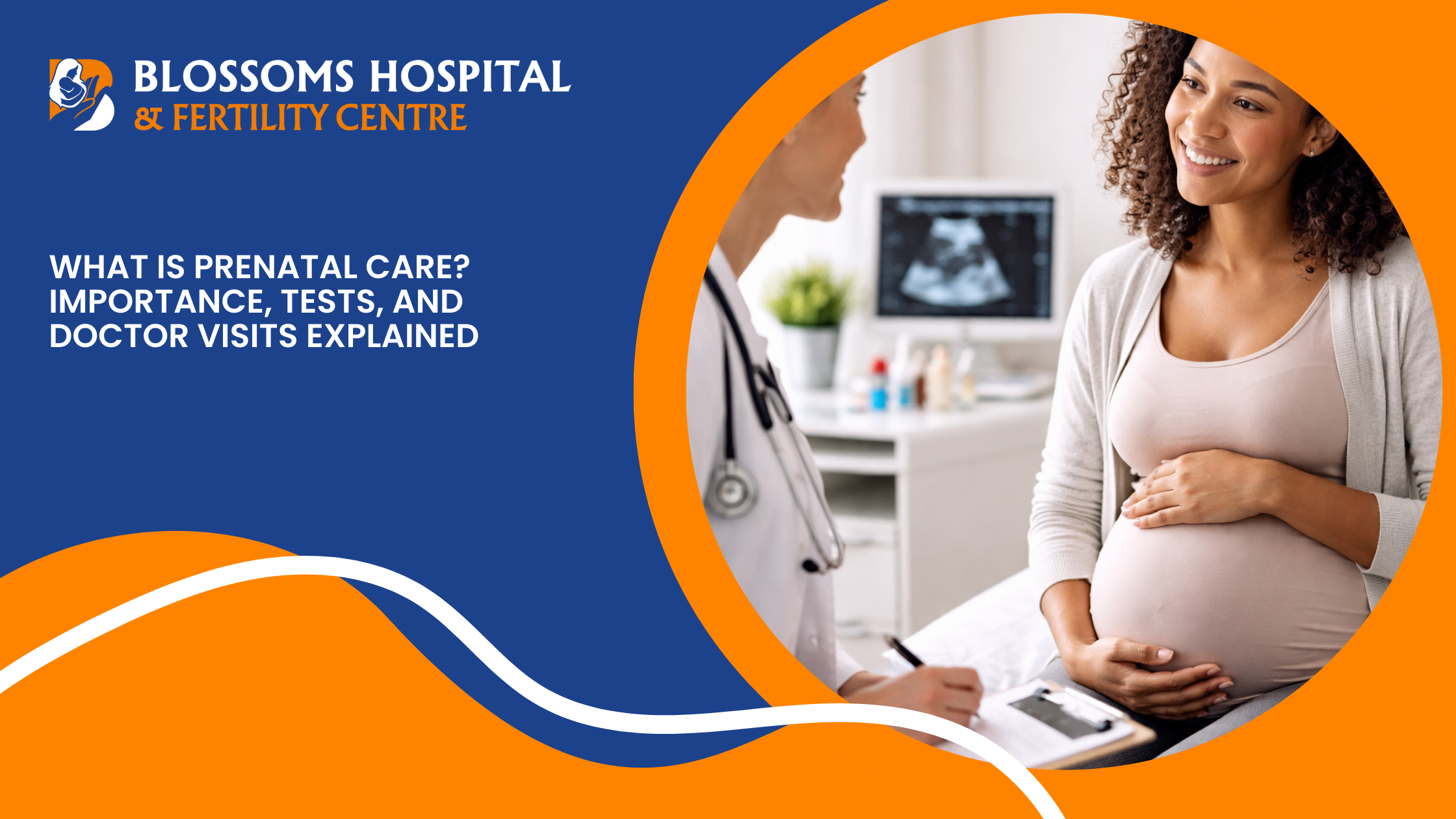
What is prenatal care?
It means the medical support a woman receives from the earliest weeks of maternity right up to delivery. These visits include health checks, lab tests, scans, and discussions about diet, activity, and emotional well-being.
Good antenatal care helps track the baby’s growth. It also checks the mother’s health. Problems that seem small early on can become serious later. Early identification will prevent that. Care is not just for women with problems. It is for all expected women, whether the maternity is smooth or uneasy.
Why does early monitoring matter?
The first few weeks are more important than many people realize. Early visits help:
- Confirm of being conceived
- Calculate the expected due date
- Detect hidden conditions like anemia or thyroid issues
- Screen for infections
- Start nutritional guidance early
When doctors catch issues early, they can treat them before they become serious. This reduces risks and increases the chances of a healthy pregnancy and a strong baby.
Physical changes during maternity – what to expect
Every pregnant woman feels changes in her body gradually. These are normal but still need monitoring.
First trimester
In the first few months, many women feel:
- Nausea
- Tiredness
- Food cravings or aversions
- Mood swings
This is also when the baby’s organs begin to form. Regular consultation helps monitor these changes closely.
Second trimester
This phase often feels better physically, but:
- The baby grows rapidly
- Weight increases
- Food intake changes
- New symptoms may appear
Periodic scans help check the baby’s development.
Third trimester
This is the final preparation phase. Doctors focus on:
- Baby’s position
- Growth measurements
- Blood pressure
- Signs of early labor
Each stage is different. Each needs careful monitoring.
How antenatal visits shape baby health
When you visit a doctor regularly:
- The baby’s heartbeat is checked
- Growth curve is monitored
- Blood tests are repeated
- Nutrition and diet plans are updated
- Vaccinations are given at the right time
These actions lower the risk of:
- Low birth weight
- Preterm delivery
- Developmental delays
- Complications
Doctors guide you about baby care even before birth. This helps parents feel ready and confident.
Nutrition is the foundation of healthy Motherhood
What you eat affects both you and your baby. Good food supports:
- Organ development
- Bone formation
- Eye growth
- Immune function
During early weeks, the baby starts forming vital systems. Foods rich in iron, folic acid, calcium, and protein are recommended. A consultation helps personalize a diet plan based on your health and needs.
Here are simple pregnancy diet tips most doctors suggest:
- Eat fresh fruits and vegetables
- Choose whole grains
- Include lean proteins
- Drink plenty of water
- Avoid raw or undercooked food
These simple habits improve health gradually.
The role of supplements and vitamins
Even with a balanced diet, supplements are helpful. Antenatal vitamins help fill nutritional gaps. Doctors usually recommend:
- Folic acid
- Iron
- Calcium
- Vitamin D
- Omega-3 fatty acids
Folic acid is especially important in the early reproductive phase. It reduces the risk of neural tube defects. These supplements are best taken when guided by a doctor.
Common tests during pregnancy
Regular visits involve specific tests. These tests help ensure both mother and baby are doing well.
Here are common checks:
- Blood pressure
- Weight monitoring
- Urine analysis
- Ultrasound scans
- Blood group and Rh factor
- Glucose screening
- Infection screening
Each test has a purpose. Together, they create a health picture that keeps the phase safe.
Emotional and mental well-being matters too
Physical health is only one part of a safe gestation. Emotional well-being is equally important.
Hormonal shifts can lead to mood swings. Some women feel anxious or low. Many struggle in silence. But talking helps. Regular visits give an opportunity to discuss emotional changes. Doctors and counselors help with coping strategies.
Some simple emotional care tips include:
- Open communication with your partner
- Gentle exercise like walking
- Join support groups
- Practice relaxation techniques
A calm mind supports a smooth pregnancy.
Common problems and when to seek help
Some discomforts are normal. But others need immediate attention.
Seek help if:
- Severe abdominal pain
- Heavy bleeding
- Dizziness or fainting
- Reduced baby movement
- High fever
- Severe headache
These symptoms may signal complications. Early action helps avoid risks.
Exercise and activities
Staying active helps:
- Reduce back pain
- Improve circulation
- Boost mood
- Aid digestion
Doctors usually recommend light exercise such as:
- Walking
- Prenatal yoga
- Stretching
Heavy workout or strain is not advised. Every plan is tailored to your health.
Preparing for labor and delivery
As the due date approaches, doctors help you prepare physically and mentally.
They explain:
- Signs of labor
- Pain management options
- Hospital procedures
- What to pack for delivery
- Breastfeeding basics
This guidance helps reduce uncertainty and fear.
The importance of a birth plan
A birth plan is a simple document where you note:
- Preferred delivery method
- Pain relief choices
- Support person during labor
- Feeding preferences
This helps the medical team and family understand your choices. It brings peace of mind.
Role of partner and family
Pregnancy is a shared journey. Emotional support from your partner and family makes a huge difference.
Simple acts of care include:
- Accompanying you to check-ups
- Helping with diet
- Encouraging rest
- Listening with patience
Support improves confidence. Confidence strengthens health.
Why are regular prenatal check-ups important?
Skipping routine visits may delay problem detection. Regular check-ups help:
- Track baby growth
- Monitor mother’s health
- Adjust diet as needed
- Screen for early issues
- Provide emotional reassurance
Each visit is an opportunity to learn and prepare.
The role of ultrasound
Ultrasounds help doctors see the baby. They check:
- Baby’s size
- Baby’s position
- Placenta location
- Amniotic fluid levels
These images guide medical decisions and confirm healthy progress.
Blood pressure and pregnancy
Being pregnant can affect blood pressure. High pressure may lead to risks like preeclampsia. Regular monitoring helps doctors take action before problems grow.
Preparing for postnatal life
Antenatal care also prepares you for baby care after delivery. Doctors discuss:
- Breastfeeding
- Baby immunization
- Sleep routines
- Post-delivery diet
This early guidance reduces new-parent stress.
Support for high-risk pregnancies
Some pregnancies need extra attention. This includes women with:
- Diabetes
- Hypertension
- Thyroid disorders
- Previous complications
- Multiple pregnancies
Special plans help manage risks and protect both mother and baby.
Prenatal care costs in Hyderabad
Many women worry about costs. But most clinics offer:
- Affordable packages
- Payment plans
- Insurance support
- Senior discounts
A consultation helps you understand exact costs based on tests and care plans. Investing in antenatal health is investing in lifelong wellness for both mother and child.
How Blossoms Fertility Hospital Supports Women in Hyderabad
At Blossoms, the top prenatal care clinic in Hyderabad, the experience of being pregnant is handled with care and sensitivity. Each pregnant woman is listened to with empathy. Right from the first consultation to delivery planning, the emphasis is on caring for her in a trust-worthy manner.
Our Dr. Afshan Anjum and her team know that becoming pregnant means not only becoming biologically pregnant but emotionally pregnant as well. They walk the expecting mother through every step. The doctors explain test results in layman terms. They respond to questions in a caring way. They change plans according to your needs.
When you choose Blossoms, you choose to be treated by a team of experts who focus on providing you with a safe, comfortable, and successful experience. The antenatal care programs at Blossoms Hospital are tailored to cater to the specific needs of women living in Hyderabad.
The mothers are also taught about infant care, infant sleep, infant hygiene, and postnatal healing. The hospital provides a nurturing environment for the family. The hospital recognizes that healthy care also means taking care of the mother’s mind. For women looking for a confident, safe, and compassionate prenatal services clinic in Bandlahuda Jagir, Blossoms Hospital appears as a reliable companion every step of the way.
FAQs
What should pregnant women do in early pregnancy?
See a doctor as soon as you suspect being a mother. Early check-ups help detect risks and start proper guidance.
How often should I visit for check-ups?
In general, monthly visits are ideal until the 28th week, then more frequent as your due date nears.
Are ultrasounds safe for the baby?
Yes, ultrasounds are safe and help doctors monitor growth and health without harm.
What is the best diet for antenatal health?
A balanced diet with proteins, iron, calcium, and fresh produce supports both mother and baby.
Can exercise help during pregnancy?
Light, doctor-approved activities like walking or yoga can improve circulation and mood.